

Are you a good judge of character?
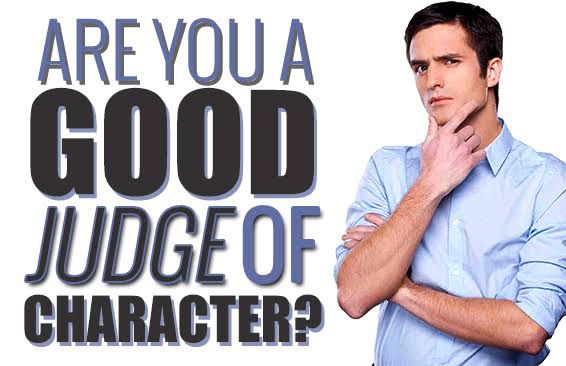
While I believe I possess a decent ability to judge character, it’s important to acknowledge that accurately assessing someone’s true nature requires a nuanced approach, considering various factors like their actions, words, body language, and consistent behavior over time, which can be challenging to fully capture in a single interaction; therefore, I would not claim to be a perfect judge of character, but I strive to be perceptive and observant when evaluating others.
Why I believe I can judge character reasonably well:
- Active listening:
I prioritize listening attentively to not just what someone says but also how they say it, considering their tone, word choice, and emotional undercurrents to gain deeper insight into their perspective and intentions.
- Observant of non-verbal cues:
Body language, facial expressions, and subtle gestures can often reveal more than spoken words, and I make an effort to interpret these cues to understand underlying emotions and true feelings.
- Seeking consistency:
I try to compare a person’s words with their actions and observe if their behavior aligns across different situations to gauge authenticity and integrity.
- Considering context:
Recognizing that people might behave differently depending on the environment or stress level, I try to interpret their actions within the appropriate context.
- Open-mindedness
I avoid making snap judgments and strive to gather information from various interactions before forming a conclusion about someone’s character.
Areas where judging character can be challenging:
- First impressions:
Initial encounters can be misleading as people may present a carefully curated persona, making it difficult to see their true self immediately.
- Hidden motives:
People may intentionally conceal their true intentions, making it difficult to detect potential negative traits or manipulative behavior.
- Self-deception
Individuals may be unaware of their own biases or blind spots, which can influence how they perceive others.
How to improve character assessment skills:
- Seek diverse perspectives:
Engage with people from different backgrounds and experiences to broaden your understanding of human behavior.
- Ask insightful questions:
Pose open-ended questions that encourage deeper conversation and reveal more about someone’s values, beliefs, and motivations.
Discover more from MY online internet CAFE
Subscribe to get the latest posts sent to your email.


 MY online internet CAFE